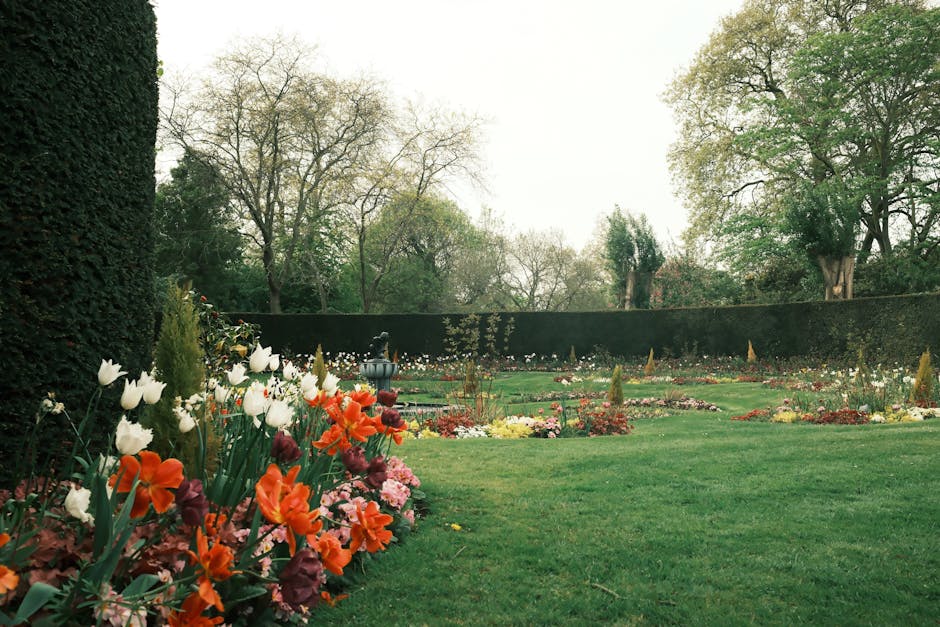
Lloyd Park Garden Maintenance Experts Walthamstow
If your garden around Lloyd Park is looking a little tired, overgrown, or just harder to keep on top of than it used to be, you are not alone. London gardens can turn from neat to neglected in what feels like one wet week, especially when jobs build up quietly in the background. That is exactly where Lloyd Park garden maintenance experts Walthamstow come in: steady, practical help for keeping outdoor spaces healthy, tidy, and usable without the stress of doing everything yourself.
This guide explains what professional garden maintenance actually involves, how it works in a local Walthamstow setting, what to expect from a good team, and how to choose the right approach for your garden. You will also find a clear checklist, a comparison table, and a few realistic examples to help you make a sensible decision. No fluff. Just the useful stuff.
Expert summary: good garden maintenance is not just about making things look tidy for a day. It is about regular, well-timed care that keeps growth manageable, protects plant health, and saves you from bigger repairs later on. In other words, less scramble, more calm.
Table of Contents
- Why Lloyd Park garden maintenance experts Walthamstow Matters
- How Lloyd Park garden maintenance experts Walthamstow Works
- Key Benefits and Practical Advantages
- Who This Is For and When It Makes Sense
- Step-by-Step Guidance
- Expert Tips for Better Results
- Common Mistakes to Avoid
- Tools, Resources and Recommendations
- Law, Compliance, Standards, or Best Practice
- Options, Methods, or Comparison Table
- Case Study or Real-World Example
- Practical Checklist
- Conclusion
- Frequently Asked Questions
Why Lloyd Park garden maintenance experts Walthamstow Matters
Lloyd Park sits in a part of Walthamstow where gardens do a lot of quiet work. They soften terraces, frame family spaces, and give people a patch of green that makes city living feel a bit more breathable. When maintenance slips, though, small issues stack up fast: a lawn gets patchy, hedges get leggy, weeds settle in, and borders stop looking intentional.
That is why reliable garden maintenance matters. It keeps your outdoor space working as it should. A healthy garden is easier to enjoy, easier to manage, and usually less expensive to rescue than one that has been ignored for months. Truth be told, most major garden headaches start as minor jobs that were postponed. We have all done it.
For homeowners near Lloyd Park, regular upkeep can also help gardens respond better to local conditions. London clay, shaded plots, compact front gardens, and mixed planting all need a slightly different rhythm. A knowledgeable local gardener understands when to prune, when to leave growth alone, and when a tidy-up should be followed by a proper reset.
If you are comparing providers, it helps to look beyond the headline of "garden maintenance" and consider the full service picture. A strong starting point is the services overview, which should help you understand what is typically included and how different tasks fit together.
How Lloyd Park garden maintenance experts Walthamstow Works
Garden maintenance is usually delivered as a repeat service, a one-off tidy-up, or a seasonal visit. The exact arrangement depends on the garden itself. A small paved courtyard near the park will need a different routine from a family garden with beds, shrubs, and a lawn that gets used hard in summer.
In practice, the process often begins with a quick assessment. A good gardener will look at what is growing, what is struggling, what needs cutting back, and what can be left until the next visit. That judgment matters. Too much cutting at the wrong time can do more harm than good. Not glamorous, but important.
A typical maintenance visit may include:
- lawn mowing and edging
- border weeding and hand clearance
- hedge trimming and shrub shaping
- deadheading and seasonal pruning
- leaf clearance and green waste removal
- general tidy-up of paths, beds, and patio edges
- light plant health checks and advice on next steps
Some gardens need the same simple routine each fortnight. Others need a more flexible plan: heavy spring work, summer upkeep, autumn clearance, and a lighter winter watch. Around Lloyd Park, where gardens can be exposed to wind in some places and shaded by mature trees in others, that flexibility is often the difference between "kept" and "catching up."
If you want to understand the wider service relationship before booking, it is worth reading about the team and how they work. That sort of context helps you judge whether the approach feels professional, local, and properly thought through.
Key Benefits and Practical Advantages
There are obvious benefits to professional garden care, and then there are the quieter ones people only notice after a few months. The obvious ones are the visual improvements: neat lawns, controlled growth, cleaner edges, and borders that look deliberate rather than abandoned. The quieter benefits are often more valuable.
First, regular maintenance helps prevent bigger jobs later. A little weeding now is a lot easier than rescuing a border later on. Second, plants often do better with consistent care. A clipped hedge, a mulched bed, or a properly timed prune can make a noticeable difference to growth and shape. Third, there is the simple comfort of walking into a garden that does not need a full Saturday sacrificed to it.
Here is a practical way to think about the value:
- Time saved: fewer weekend chores and less catch-up work.
- Better presentation: useful if you are hosting, renting, or planning to sell.
- Improved plant health: regular attention catches problems early.
- Lower risk of overgrowth: fewer surprises from climbing, spreading, or self-seeding plants.
- Less waste: proper removal and recycling of garden debris keeps the site tidy.
There is also a morale factor people sometimes overlook. A clean, manageable garden changes how a home feels. On a grey Monday morning, seeing a clipped hedge and a clear path genuinely makes life feel a touch lighter. Small thing, maybe. But it counts.
For readers who care about what happens to cuttings, soil, and green waste, the recycling and sustainability information is worth a look, because responsible maintenance is not just about the garden in front of you.
Who This Is For and When It Makes Sense
This kind of service is useful for a surprisingly wide range of people. It is not only for busy professionals, though they are a big part of the audience. It also suits older homeowners who want to keep control of the garden without doing all the physical work, landlords who need a property to present well, and families who want the garden usable rather than always in the "one day we'll sort it" category.
It makes particular sense if you are dealing with one or more of these situations:
- the lawn is growing faster than you can keep up with
- weeds keep returning in borders, paving, or gravel
- hedges and shrubs are starting to block light or paths
- you have inherited a garden that needs a sensible reset
- you are preparing a home for sale or letting
- you want seasonal help rather than a full redesign
It is also useful if you enjoy gardening but do not want every task on your own shoulders. That is a common middle ground. Some people love planting and hate clearing. Others are the opposite. Fair enough. A good maintenance arrangement can leave room for the enjoyable bits and take care of the chores that feel endless.
Commercial and communal settings can benefit too, especially where appearance, safety, and consistency matter. If you are planning around tenants, visitors, or shared use, professional upkeep can reduce complaints and keep things simple.
Step-by-Step Guidance
If you are approaching garden maintenance for the first time, the easiest way to make a good decision is to break it down into stages. Here is a practical way to do that.
- Walk the garden properly. Take note of what is overgrown, what is healthy, and what feels neglected. Don't just glance from the back door.
- List the priorities. For example: lawn first, then hedge cut, then borders, then clearance. You do not need to do everything at once.
- Decide whether you need one-off or ongoing help. A one-off tidy can be enough for some gardens. Others need repeat visits to stay on track.
- Ask what is included. Do they remove waste? Do they bring tools? Do they prune lightly or more comprehensively? Clarity avoids awkwardness later.
- Check timing and seasonality. A garden in early spring needs different work from one in late autumn. That sounds obvious, but it is often missed.
- Agree on expectations. Decide what "tidy" means for you. Neat and minimal? Full border definition? Lawn only? Say it plainly.
- Review after the first visit. A quick look over the results tells you whether the pace, finish, and communication feel right.
That last point matters more than people think. The first visit sets the tone. If it feels rushed or vague, the relationship probably will too. If it feels calm, organised, and practical, you are likely on the right track.
For pricing clarity, the most sensible next step is to check the provider's pricing and quotes information so you understand how estimates are usually handled before work begins.
Expert Tips for Better Results
After enough garden visits, a pattern becomes obvious: the best-looking gardens are rarely the ones with the fanciest plants. They are the ones with a simple, consistent routine. Nothing mystical. Just regular attention.
Here are a few expert habits that make a real difference:
- Do little and often. Weeding, edging, and light trimming are easier to manage than big rescue days.
- Respect the season. Some shrubs and hedges respond better to the right timing than to repeated hard cutting.
- Mulch where appropriate. It helps retain moisture and suppress weeds. Not in every bed, but often a smart move.
- Keep paths and access points clear. This improves safety and stops the garden from feeling cramped.
- Watch for hidden problems. Moss, compacted soil, drainage issues, and shaded corners often tell a story.
A small example: after a damp week, a patch of lawn that looked fine on Friday can start showing dull, flattened areas by Tuesday morning. That is not a failure. It is just the reality of London weather and use. The point is to notice it early and respond before it becomes a bigger job.
One more thing. Be realistic about what you want from a garden. A space can be low-maintenance, attractive, and functional, but it will not usually be all three without some compromise. That is normal, and honestly, it is fine.
Common Mistakes to Avoid
Most garden maintenance problems are not dramatic. They are usually the result of a few small missteps repeated over time. The good news is that they are easy to avoid once you know them.
- Waiting too long between visits. Growth always costs more to catch up with later.
- Cutting everything at once. Heavy-handed pruning can stress plants and leave gardens looking bare.
- Ignoring waste removal. A neat cut is only half the job if piles of clippings are left behind.
- Using the same routine all year. Gardens change with the seasons. Maintenance should too.
- Choosing the cheapest quote without checking scope. A low number is not useful if half the work is excluded.
- Forgetting access and safety. Side gates, sheds, uneven paving, and trip hazards all matter.
There is also a communication mistake that crops up a lot: assuming the gardener knows what you mean by "just tidy it up." One person means a quick mow. Another means a full clear, edge, trim, and sweep. That phrase has caused more confusion than it should, to be fair.
Say what you want. Show photos if needed. It saves time and avoids disappointment.
Tools, Resources and Recommendations
Good garden maintenance depends on more than enthusiasm. The right tools and a sensible workflow matter, especially in tight urban gardens where access can be awkward and debris needs to be moved cleanly.
Typical tools and materials might include:
- mowers and strimmers for lawn care and edges
- hedge trimmers for formal or semi-formal hedging
- secateurs and loppers for pruning
- rakes, brooms, and leaf collectors for clearing
- gloves, eye protection, and sturdy footwear for safe handling
- compost, mulch, or soil improvers where planting beds need support
If you are choosing a provider, it also helps to look at practical business signals: clear communication, transparent scope, sensible scheduling, and obvious care around waste and security. Those things matter just as much as the tool list.
Useful supporting pages to review include health and safety information, insurance and safety guidance, and payment and security details. They do not make the garden prettier, obviously, but they do tell you a lot about how professionally a service is run.
And if you prefer to understand the broader working approach first, the about us page can be a helpful starting point. It gives a better feel for the people behind the service, which is often what makes the difference in real life.
Law, Compliance, Standards, or Best Practice
Garden maintenance is not usually complicated from a compliance point of view, but there are still sensible standards to follow. A professional team should work safely, respect property boundaries, handle waste responsibly, and be clear about what they are doing on site.
In the UK, good practice generally includes:
- using tools safely and storing them properly
- protecting staff, residents, and visitors from avoidable hazards
- managing green waste in a responsible way
- keeping access routes clear while work is underway
- being transparent about service terms and payment arrangements
For residential gardens, the practical side of compliance often comes down to common sense: do not block exits, do not leave sharp tools unattended, and do not assume a ladder or hedge cutting setup is fine just because it looks simple. It often isn't. A slightly boring checklist here is a good thing.
If the provider mentions policies, that is usually a positive sign. You may want to review terms and conditions, privacy information, and the complaints procedure so you know how the service is structured and how issues are handled if they arise. Clear process builds trust. Simple as that.
Options, Methods, or Comparison Table
Not every garden needs the same type of care. Some need a rescue tidy, some need consistent maintenance, and some just need seasonal intervention. Choosing the right model depends on your time, budget, and how much you want to stay involved.
| Option | Best for | Typical strengths | Possible drawback |
|---|---|---|---|
| One-off tidy-up | Overgrown gardens, move-in or move-out situations, post-winter reset | Fast visual impact, good for urgent jobs | Needs follow-up if growth is vigorous |
| Regular maintenance visits | Busy homes, rental properties, gardens with lawns and borders | Keeps everything manageable, fewer big surprises | Requires ongoing scheduling |
| Seasonal visits | Smaller gardens or those with lower growth pressure | Cost-conscious, practical for light upkeep | May not be enough in peak growing months |
| Full garden care plan | Gardens with mixed planting, hedges, lawn, and recurring tasks | Most stable results, more tailored attention | Usually the most involved option to manage |
For many Lloyd Park homes, the sweet spot is either regular maintenance or a seasonal plan with occasional tidy-up support. It depends on how much the garden is used and how ambitious the planting is. A tiny courtyard with pots is one thing. A leafy back garden with a lawn, climbers, and a boundary hedge is another entirely.
Case Study or Real-World Example
Imagine a typical Walthamstow back garden near Lloyd Park: a medium-sized space, partly shaded, with a lawn, a few mature shrubs, a border that has become more weed than border, and a hedge leaning a bit wider every month. Nothing dramatic. Just quietly unruly.
The first visit would usually focus on clearance and structure. The lawn gets brought back into shape, the hedge is reduced to a manageable line, weeds are removed by hand where needed, and the border is opened up so the planted areas can breathe again. Any waste is cleared away, leaving the garden usable rather than just "less bad." That distinction matters.
On a follow-up visit a few weeks later, the emphasis shifts to maintenance rather than rescue. Edges are sharpened, regrowth is trimmed, and any new weed flush is tackled before it spreads. After a couple of cycles, the garden becomes easier to keep under control. The owner stops facing a mountain every time they look outside. Better, calmer, more manageable. That is the real win.
What people often notice in this situation is not just the appearance but the change in routine. They start opening the back door without bracing themselves first. Sounds small, but you know exactly what that feels like if you have had a garden gnawing at the back of your mind for months.
Practical Checklist
Use this checklist before booking garden maintenance in Lloyd Park or anywhere nearby in Walthamstow:
- Have I identified the main jobs that need doing?
- Do I want a one-off visit, seasonal help, or regular maintenance?
- Have I checked whether waste removal is included?
- Do I know which areas matter most: lawn, hedge, borders, paving, or all of them?
- Have I thought about access, parking, and side-gate entry?
- Am I comfortable with the provider's safety, insurance, and payment information?
- Have I looked at service terms and the complaints process, just in case?
- Do I know what result I want after the first visit?
Quick takeaway: the best garden maintenance is not the fanciest. It is the clearest, safest, and most consistent. If a service is easy to understand and easy to work with, your garden usually ends up better for it.
If you are ready to move from planning to action, the simplest next step is to make an enquiry through contact us. A short conversation is often enough to clarify scope, timing, and whether the service is a good fit.
Get a free quote today and see how much you can save.
Conclusion
Lloyd Park garden maintenance experts Walthamstow are really about one thing: making outdoor space feel manageable again. Not perfect. Not over-engineered. Just tidy, healthy, and easy to live with. For many homes, that is the difference between a garden that gets enjoyed and a garden that quietly becomes a chore.
If you choose a maintenance approach that suits your space, your schedule, and the way your garden actually grows, you will usually get better results with less effort. That is the heart of it. And once a garden starts feeling calm again, everything around it feels a bit calmer too.
Gardens do not ask for much, really. A little attention, the right timing, and someone who knows what they are looking at. The rest tends to follow.
Frequently Asked Questions
What do Lloyd Park garden maintenance experts in Walthamstow usually do?
They typically handle mowing, edging, weeding, hedge trimming, shrub care, pruning, leaf clearance, and general tidy-up work. The exact mix depends on your garden and how often it is maintained.
Is garden maintenance the same as garden clearance?
No. Garden maintenance is ongoing care to keep a garden neat and healthy. Garden clearance is usually a heavier job that focuses on removing overgrowth, debris, and neglected material. Some visits may include both, but they are not the same thing.
How often should I book garden maintenance near Lloyd Park?
It depends on the size of the garden, the speed of growth, and how tidy you want it to stay. Many gardens benefit from fortnightly or monthly visits during the growing season, then lighter attention in cooler months.
Can a gardener help with a badly overgrown garden?
Yes, in many cases they can. A good gardener will usually start with a tidy-up or clearance visit, then suggest a follow-up plan so the space does not slide back into the same condition again.
Do I need regular maintenance if I have a small garden?
Not always. Small gardens may only need seasonal help or occasional visits. But if you have fast-growing plants, a lawn, or limited time, regular maintenance can still be worthwhile.
What should I ask before booking garden maintenance?
Ask what is included, whether waste is removed, how pricing is structured, what tools are brought, and whether the service is one-off or ongoing. It is also sensible to check safety, insurance, and terms before confirming.
Will maintenance include pruning?
Often yes, but pruning can mean different things. Light shaping, deadheading, and minor cuts are commonly included. Heavier pruning may be treated as a separate task or may need timing advice first.
What if I only want the lawn done?
That can absolutely be arranged in many cases. Some people only need mowing and edging, while others want a wider tidy-up. The key is to be clear about the scope from the start.
How do I know if a gardener is professional and trustworthy?
Look for clear communication, sensible pricing, visible policies, and straightforward answers to questions about safety, waste, and payment. A professional service should make the process feel easy rather than confusing.
Can maintenance help improve the look of a rental property?
Yes. Regular garden care can make a property more presentable, reduce complaints from tenants or neighbours, and help outdoor areas feel cared for rather than forgotten. It is a practical investment, not just a cosmetic one.
What is the best time of year for a garden tidy-up?
Spring and autumn are common times for more noticeable work, but the best timing depends on what the garden needs. A tired lawn in midsummer, for example, may need a different approach from a leaf-heavy garden in October.
Where can I find more information before booking?
Start with the service pages, pricing information, and trust pages such as insurance, health and safety, and terms. Those details help you understand how the service works and what to expect before any work begins.